
The Bleeding Horse
Not on the Tumbler Trail yetPouring on Camden Street since 1649.
The story
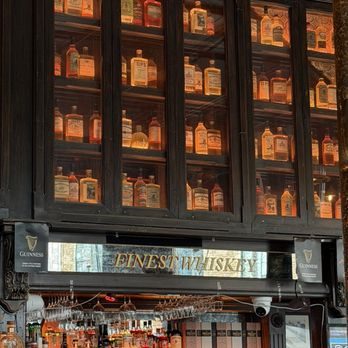
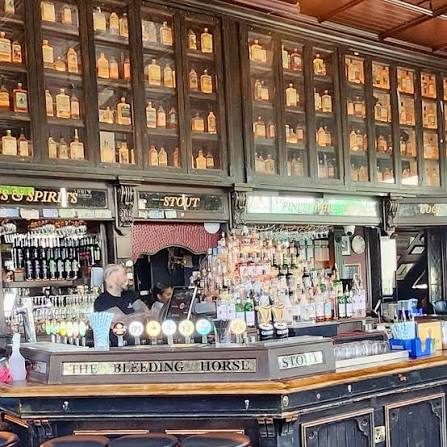
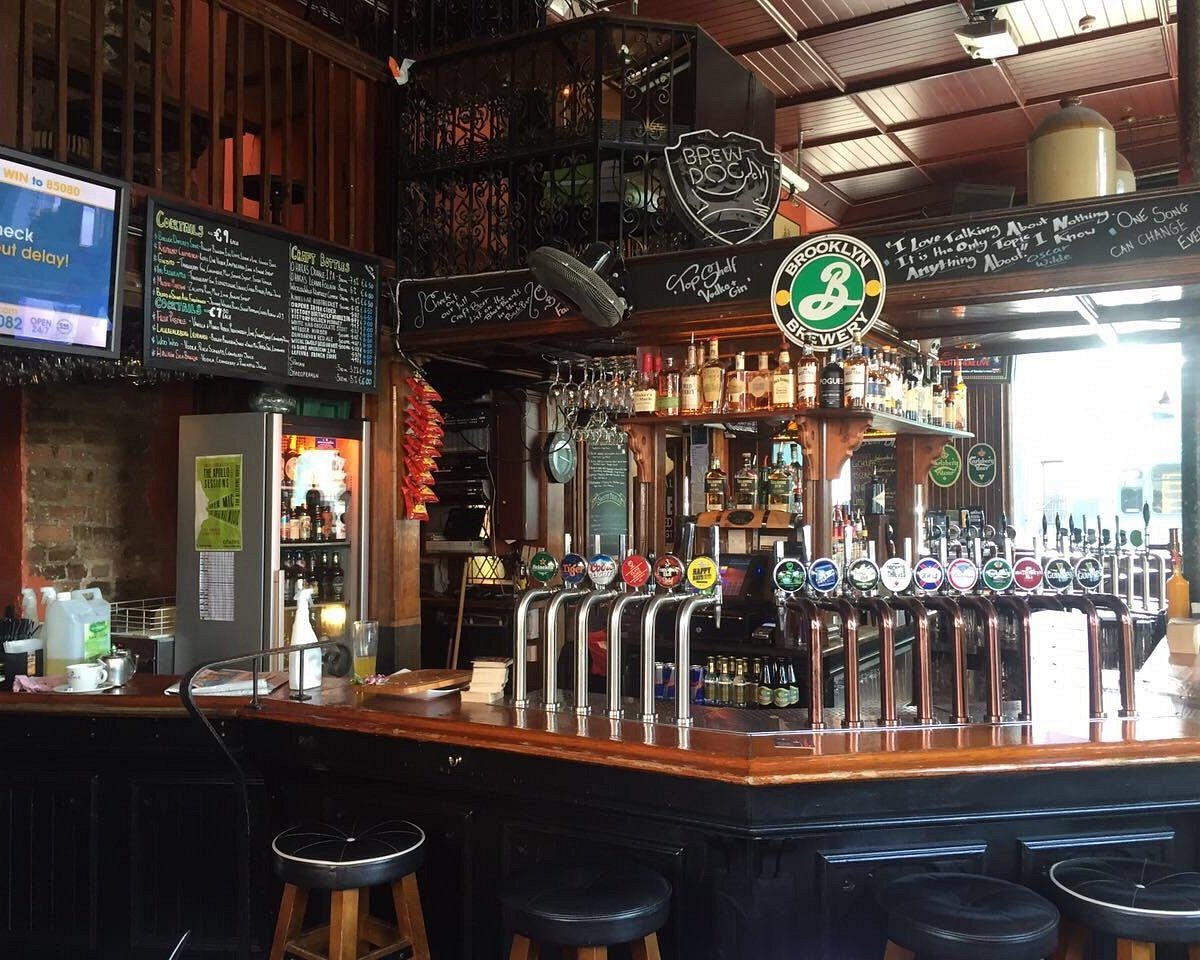
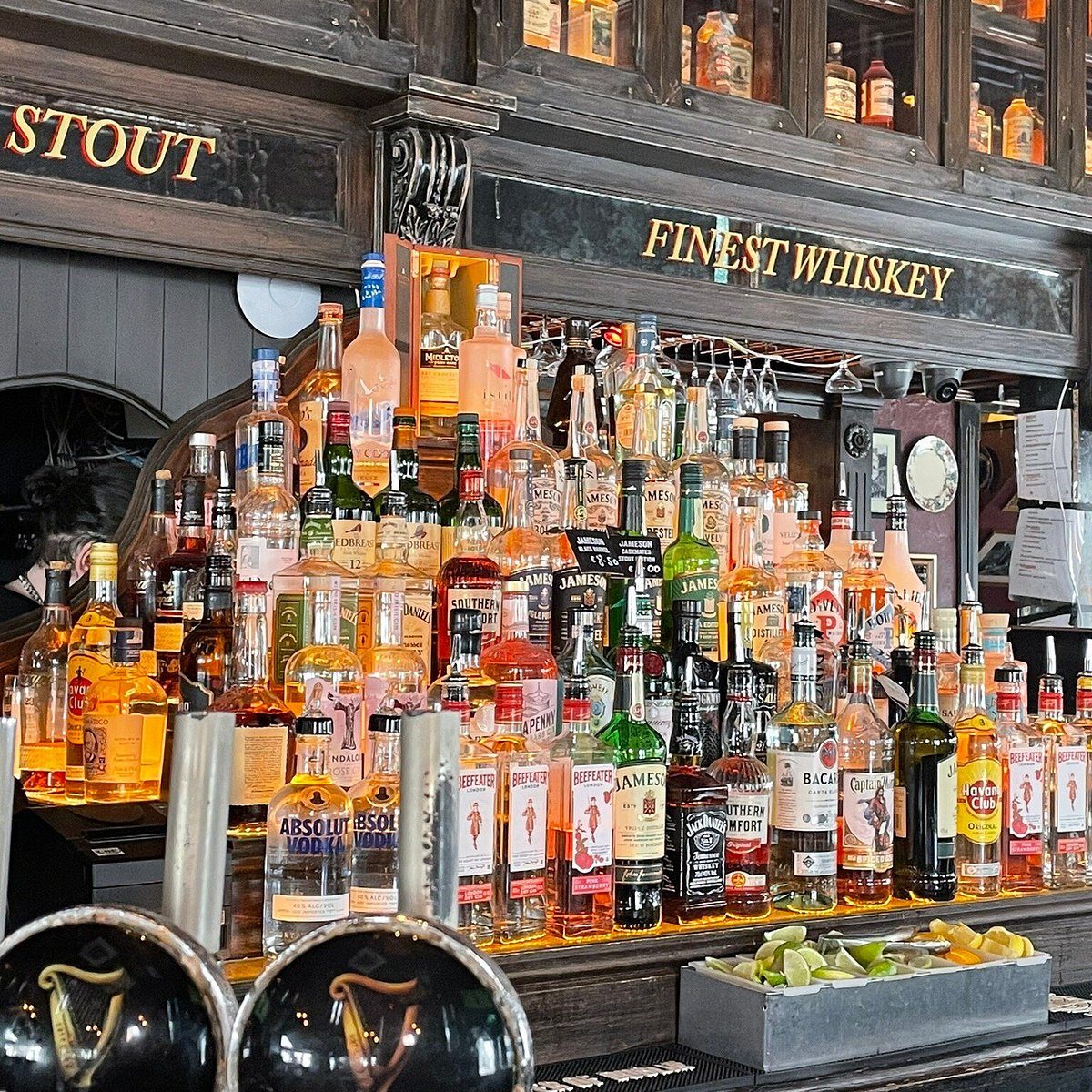
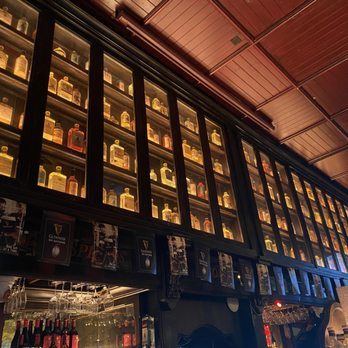
Floor-to-ceiling whiskey cabinets over a long Victorian bar. Toast the last stamp, then Camden Street's yours for the night.
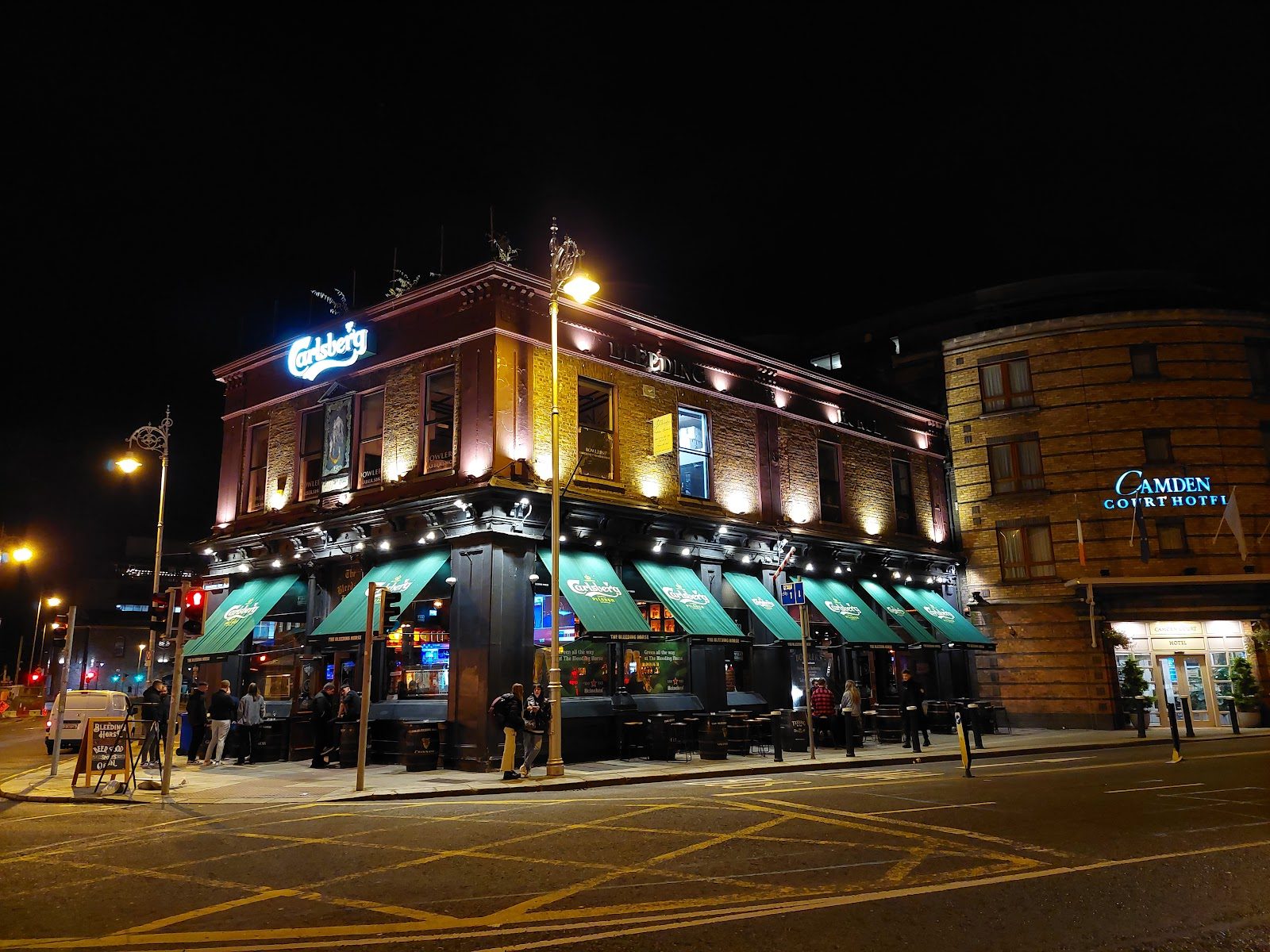
The Bleeding Horse has occupied its corner on Upper Camden Street since at least the 17th century, originally positioned on St. Kevin's Port at the junction of two important highways leading out of Dublin. A public house has sat on this site since 1648 or 1649, making it one of the oldest licensed premises in the city. The present building dates from 1871, reconstructed for Andrew Wren to the designs of architect R.J. Stirling. The interior was renovated in 1992, restoring elements such as exposed timbers, high ceilings, and a minstrel gallery.
The pub was run by the Ryan family from Tipperary in 1911, according to census records. For several years during the 1960s the name was changed to 'The Falcon', but the original name was restored in the 1970s. The pub's curious name has at least two explanations: one holds that horses suffering from 'the staggers' were bled by a farrier at the inn; another claims a wounded horse fled from the Battle of Rathmines in 1649 and sought refuge here. The pub has literary connections: it appears in Sheridan Le Fanu's novel 'Cock and Anchor' (1845) and James Joyce's 'Ulysses', where Joyce references seeing someone 'in the Bleeding Horse in Camden street with Boylan, the billsticker.' Literary patrons included James Clarence Mangan and Oliver St. John Gogarty.
What it's like
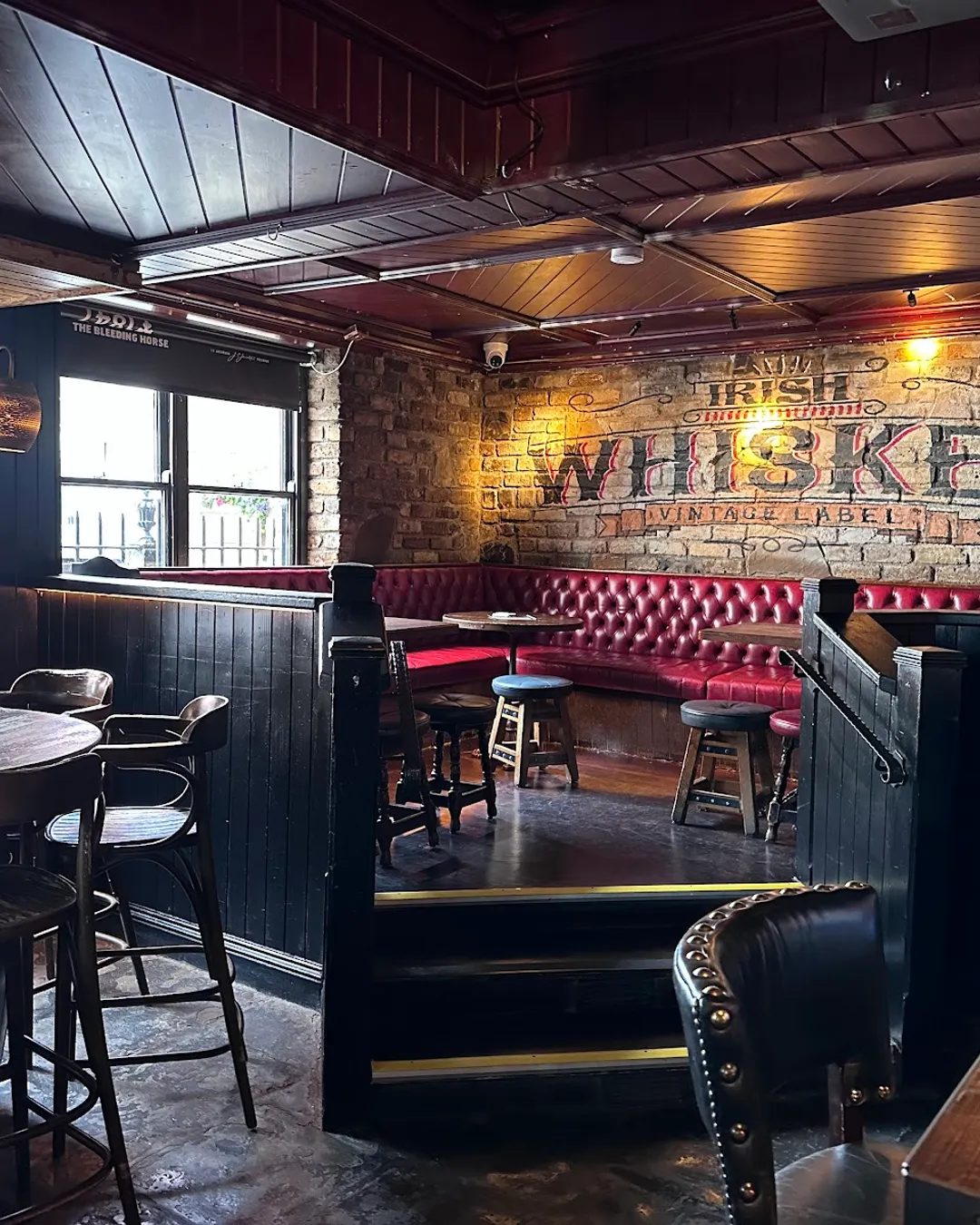
With exposed timbers, high ceilings and a minstrel gallery, the interior can conjure the image of a medieval banqueting hall. The pub operates as a spacious multi-room venue with a warren of cosy rooms, wooden floors and creaky stairs.
Music: The pub features DJs every Friday and Saturday night, and live music has been noted by visitors.
Food: Yes, the pub serves food including a lunch menu and evening meals with dishes such as sandwiches, burgers, and hot plates.
Did you know?
Paddy's take
There has been an inn on this spot since at least the 1600s! One story says the name comes from a wounded horse that fled the Battle of Rathmines in 1649. The building you see dates from 1871, and both Sheridan Le Fanu and James Joyce put the Bleeding Horse into their books.
Look out for: The 1871 building on Camden Street Upper · The name turns up in Joyce's 'Ulysses' and in Le Fanu's 1845 novel 'The Cock and Anchor' · Ask about the 1960s, when it was briefly called 'The Falcon'
Find The Bleeding Horse
Around the corner
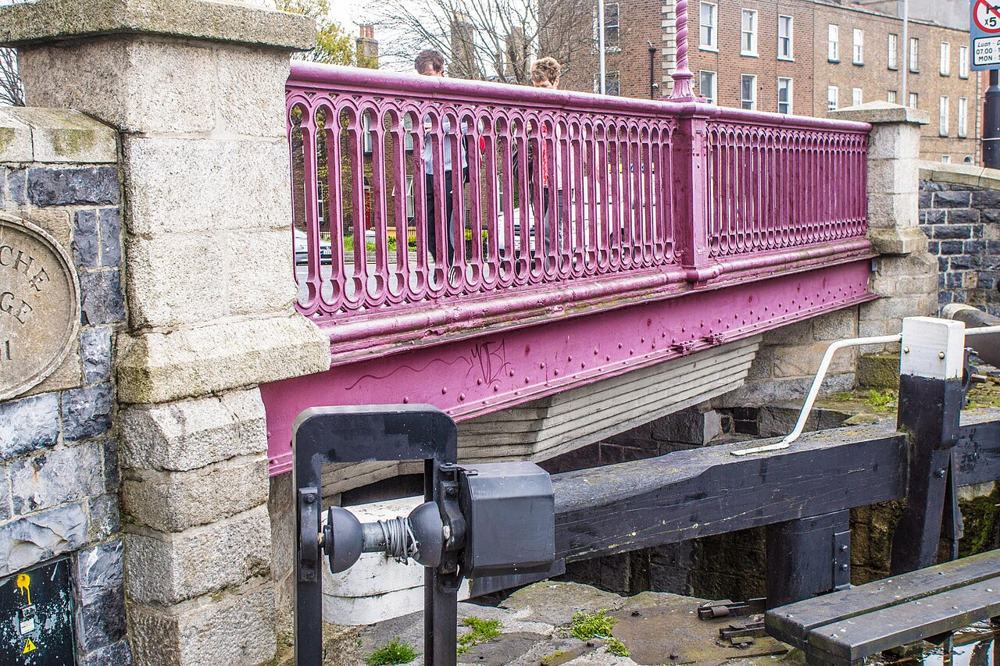
Everyone calls it Portobello Bridge, but its proper name honours William Digges La Touche, a director of the Grand Canal Company. Portobello Harbour opened as a barge terminus on the Grand Canal in 1801.
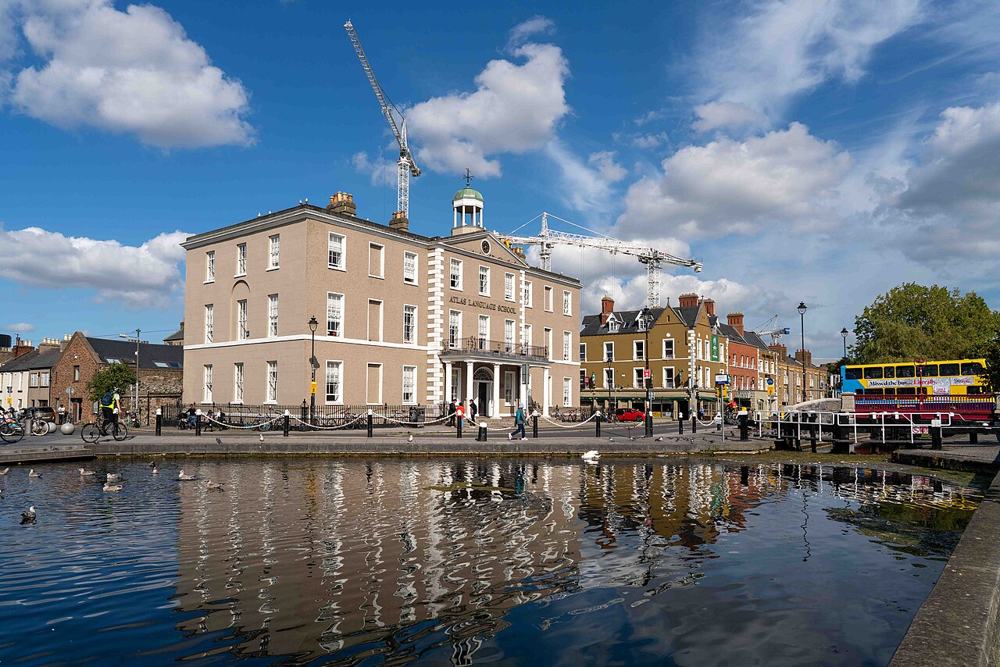
This building beside the canal opened in 1807 as the Grand Canal Hotel. It later served as an asylum for the blind and then as a hospital.
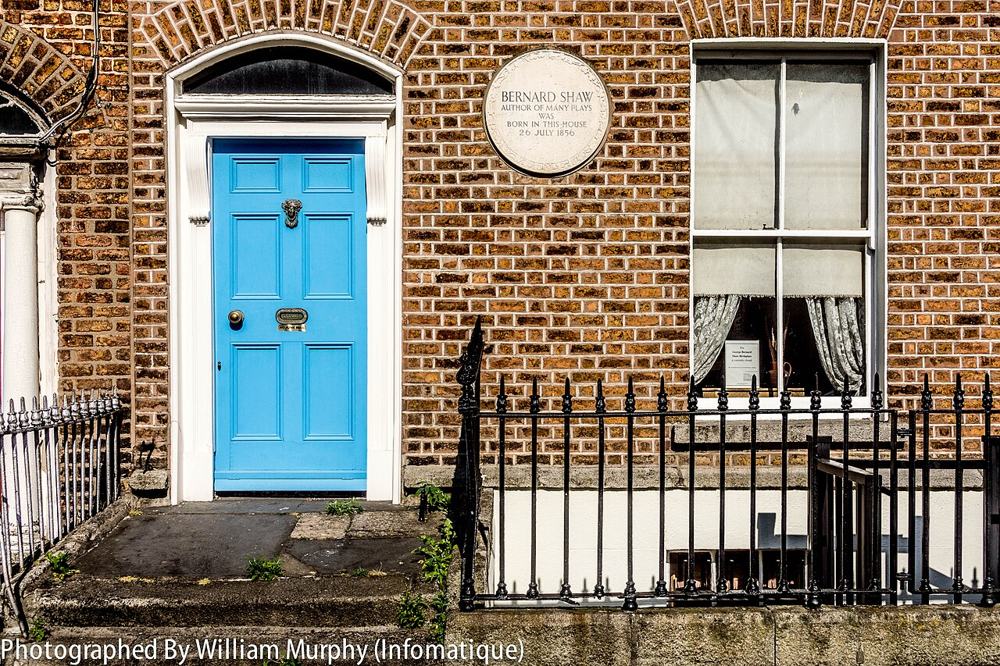
George Bernard Shaw was born on Synge Street, a couple of minutes from here, in 1856.
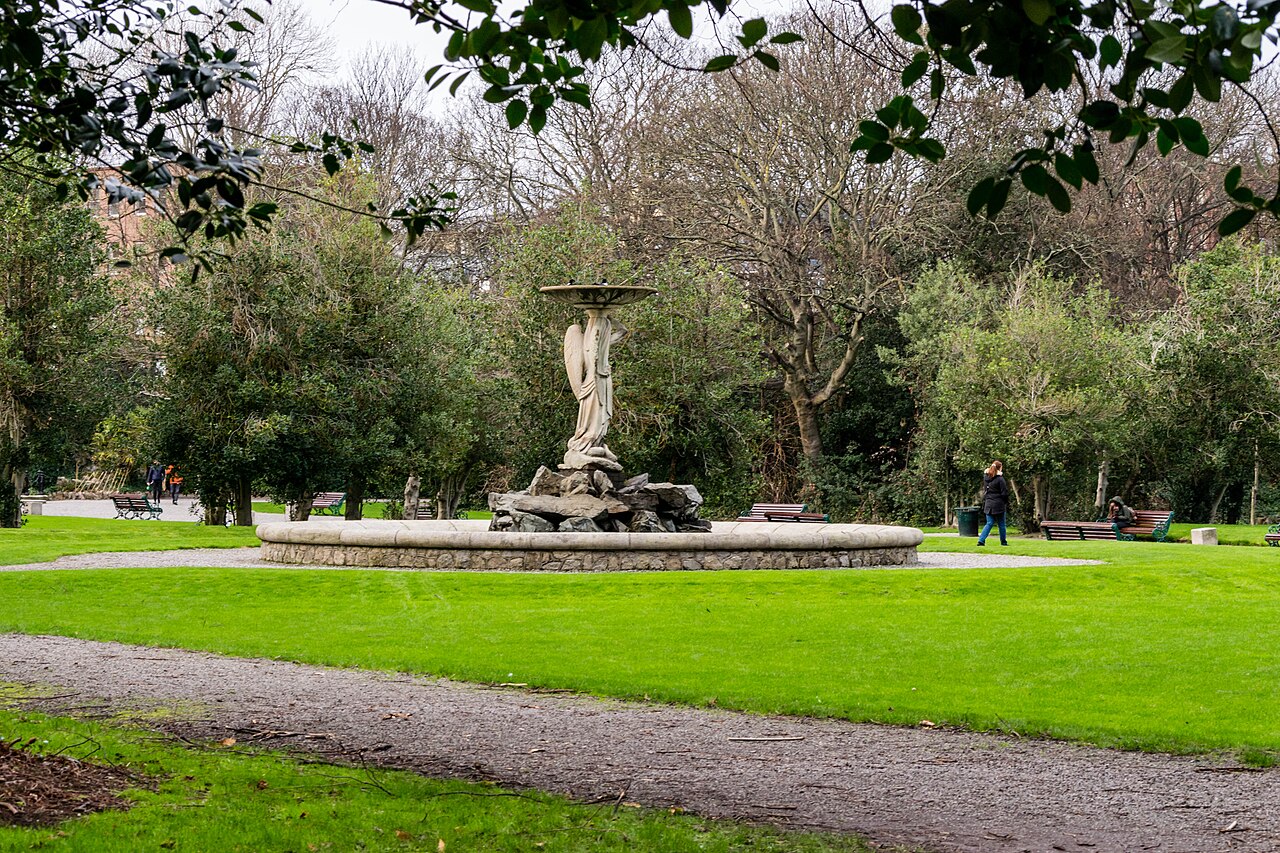
Laid out by Ninian Niven for the Dublin Exhibition of 1865, with a waterfall built from rocks from all thirty-two counties, a yew maze and a rose garden. Lord Iveagh gave it to the nation in 1939.
Pubs nearby
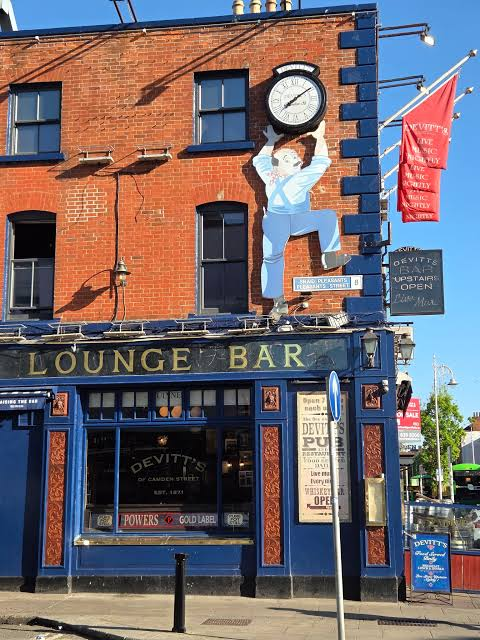
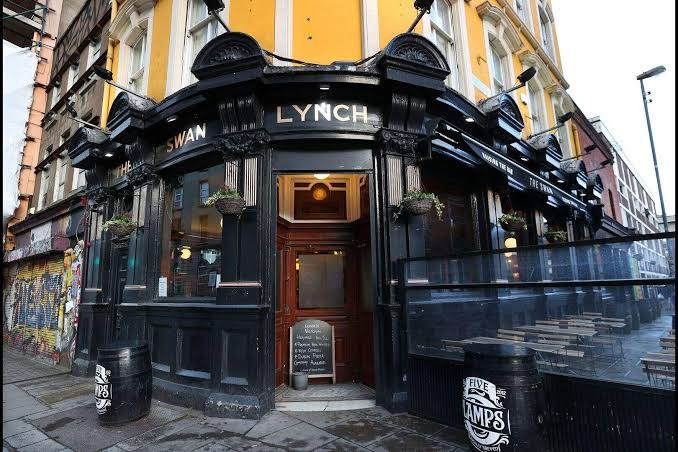
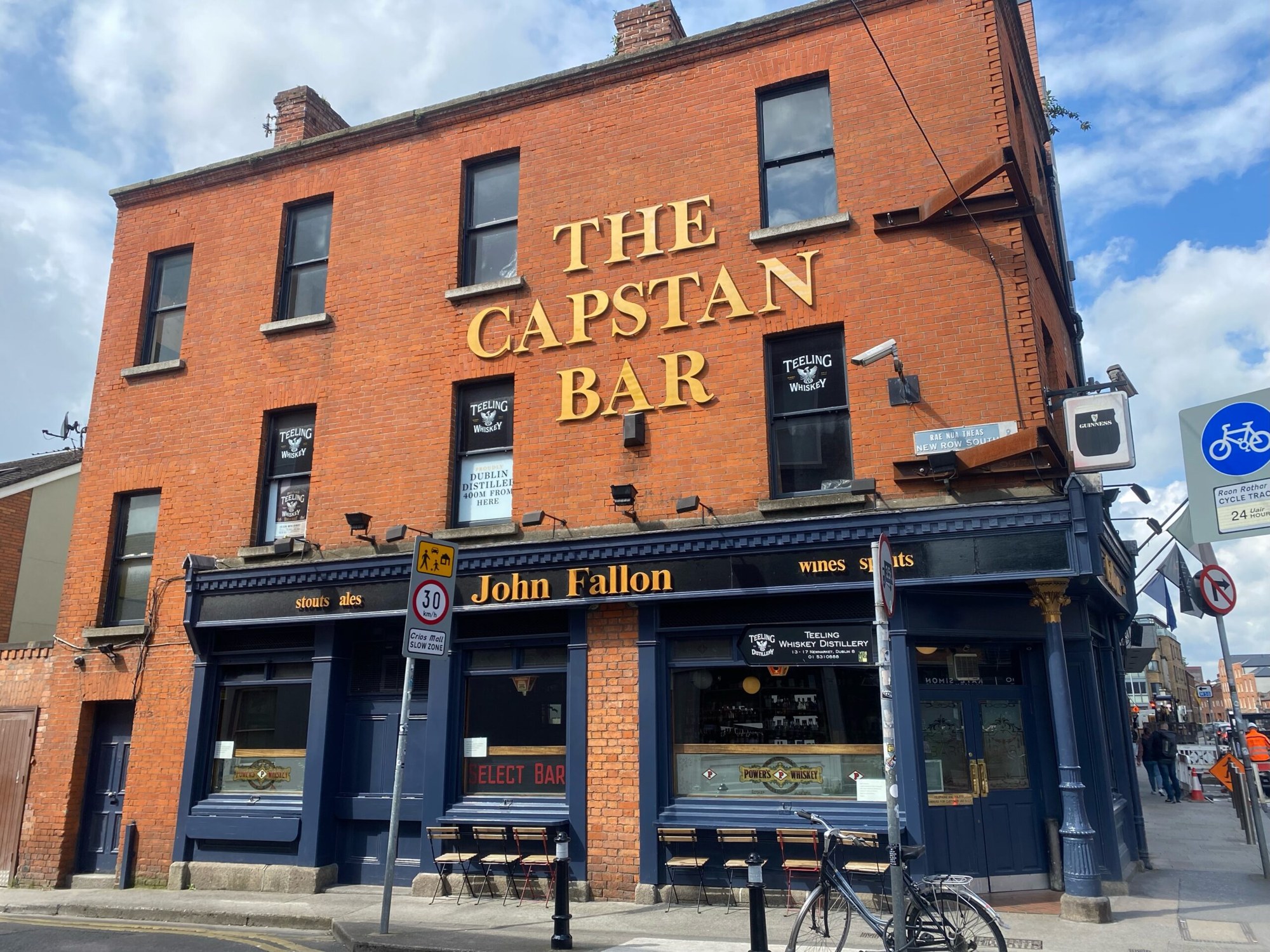
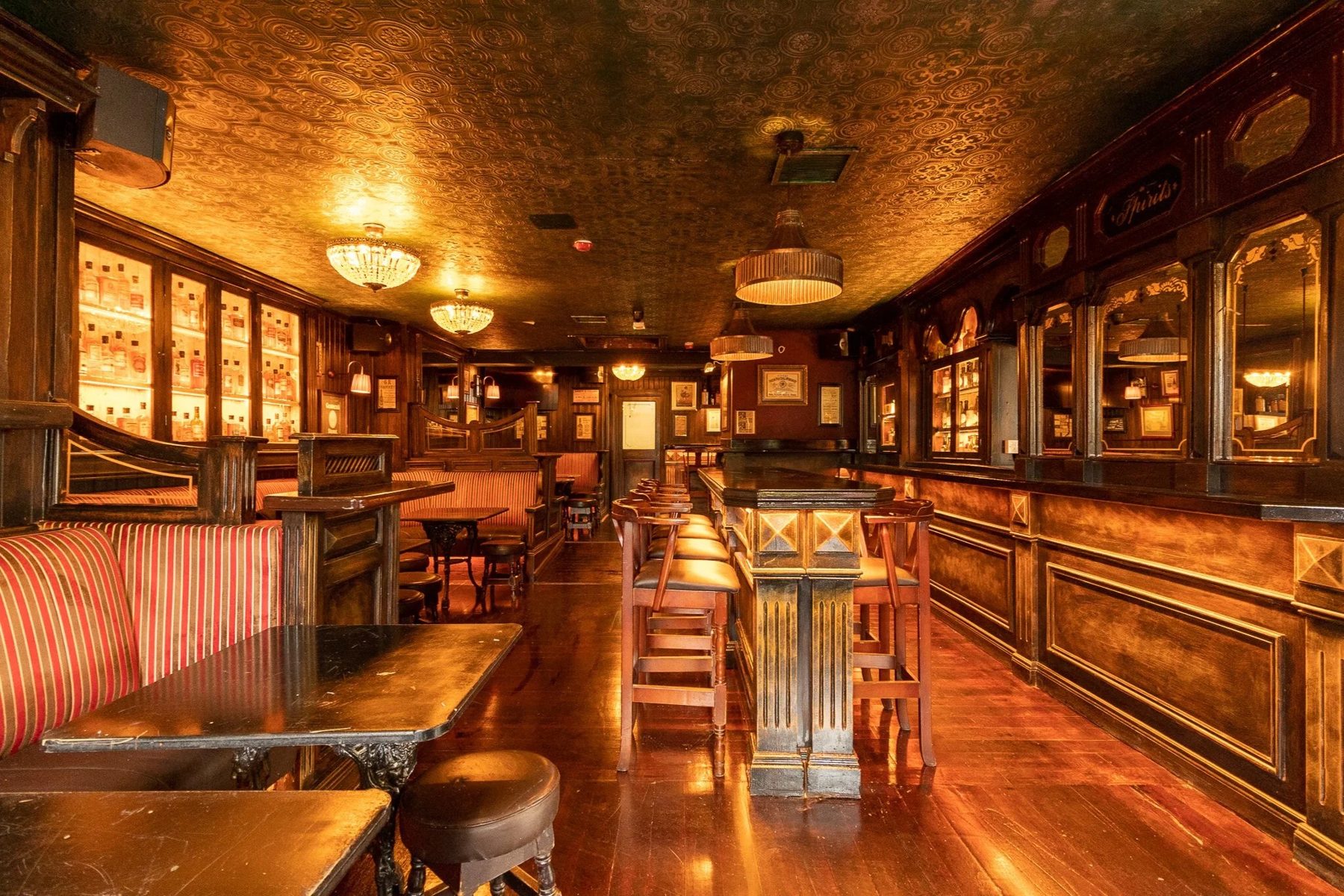
Not on the trail yet
The Bleeding Horse isn't on the Tumbler Trail yet. The trail's self-guided whiskey walks pour an Irish whiskey at five Dublin pubs, with Paddy the Pigeon telling the story at each.
See the pubs on the trailQuick answers
Where is The Bleeding Horse?
The Bleeding Horse is at 24-25 Camden Street Upper, Dublin 2. Devitt's is about 4 minutes' walk away.
Is there live music at The Bleeding Horse?
The pub features DJs every Friday and Saturday night, and live music has been noted by visitors.
Is The Bleeding Horse on the Tumbler Trail?
Not yet. It's one of the Dublin pubs Paddy rates in the area. The Tumbler Trail's whiskey trails pour an Irish whiskey at five pubs with a story at each; see which pubs are on them now.
Sources: en.wikipedia.org · en.wikipedia.org · buildingsofireland.ie · bleedinghorse.ie · comeheretome.com · rareirishstuff.com · visitdublin.com · tripadvisor.co.uk